
Why Gas Prices Go Up and Down (And How to Save at the Pump)
You’ve seen it.
Yesterday gas was one price. and today it’s up 8 cents. Overnight.
It can feel random. But here’s the truth: gas prices follow patterns. And once you understand them, you stop reacting, and start being strategic.
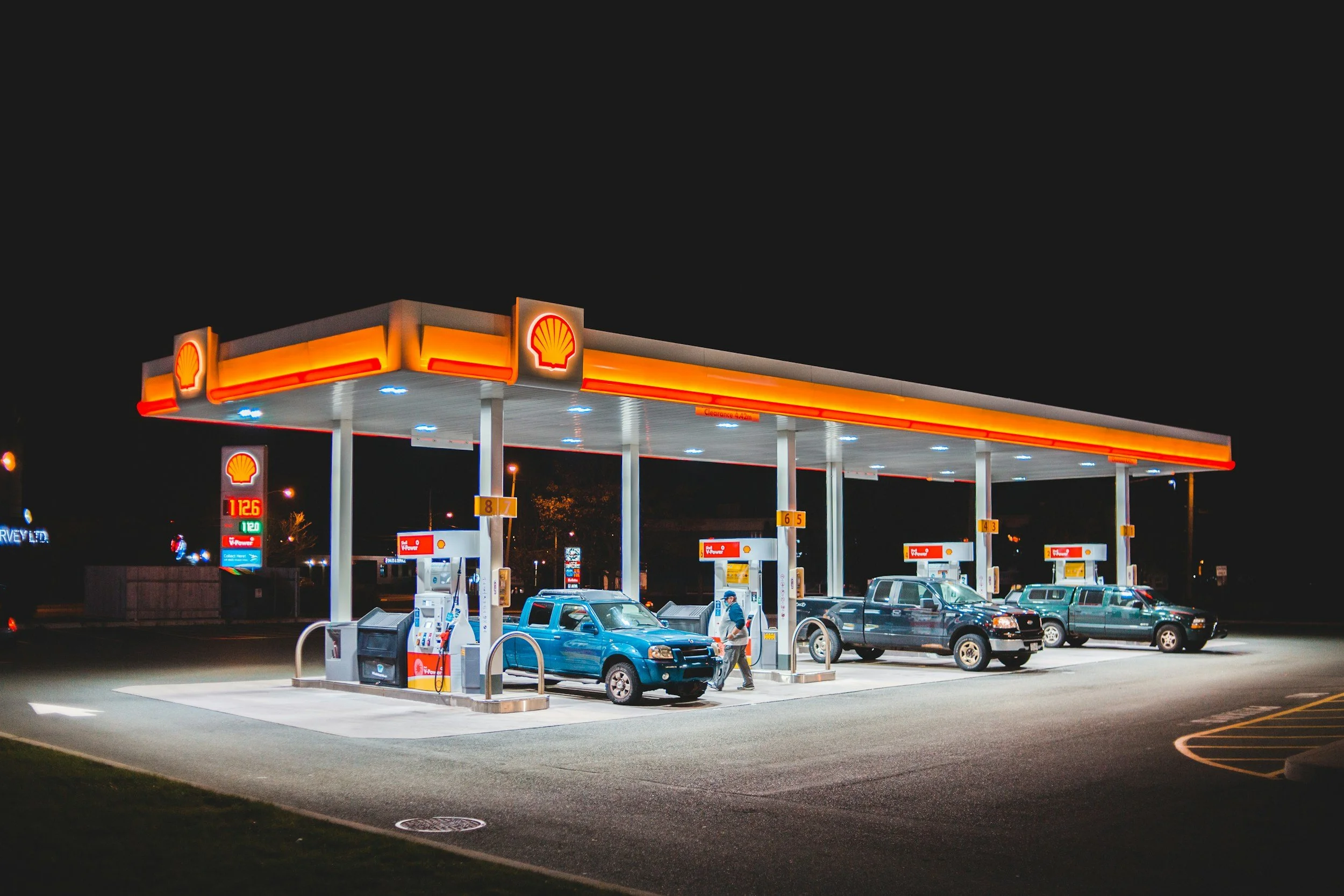
Image courtesy of Unsplash
Let’s break down what’s really happening at the pump in both Canada and the United States.
1️⃣ Crude Oil: The Biggest Piece of the Puzzle
Gasoline starts with crude oil , and crude oil is traded globally.
In both Canada and the U.S., crude oil makes up roughly 50–60% of the price you pay at the pump, according to industry breakdowns from government energy agencies.
That means when global oil prices move, gas prices usually follow.
We saw this dramatically in 2022 when U.S. gas prices surged above $5 per gallon at their peak. Fast forward to more recent data, and U.S. national averages have fallen closer to the $3 per gallon range, a massive swing in just a few years.
In Canada, drivers have experienced similar volatility, with national averages fluctuating widely depending on global oil markets and regional taxes.
Bottom line: if oil markets shift due to global events, production decisions, or supply disruptions, your local gas station sign changes too.
2️⃣ Refining & Supply: The Middle Step Most People Forget
Crude oil isn’t gasoline until it is refined.
Refineries sometimes shut down for:
Seasonal maintenance
Weather events
Unexpected disruptions
When refining capacity tightens, supply drops. And when supply drops? Prices climb.
Spring can be especially volatile because refineries switch to summer fuel blends (which are more expensive to produce). That seasonal shift alone can cause noticeable price bumps.
3️⃣ Demand: Summer Road Trips vs. Winter Lulls
Gas prices are also driven by basic economics: supply and demand.
In the United States, demand typically rises heading into summer travel season. More road trips. More driving. More fuel consumed.
Canada sees similar patterns, especially during long weekends and peak travel months.
Higher demand = upward pressure on prices.
In winter? Demand often softens, and prices can ease, though regional weather events can still create temporary spikes.
4️⃣ Taxes: Why Location Matters So Much
If you’ve ever wondered why gas in one province or state is dramatically higher than another , taxes are often the reason.
In Canada, fuel taxes vary significantly by province, which is why prices in British Columbia can look very different from Alberta.
In the U.S., states like California consistently post higher pump prices due to state taxes and environmental fuel standards.
So even if crude oil costs are the same globally, what you pay locally can vary, sometimes by a lot.
5️⃣ The Weekly Pricing Pattern Most Drivers Miss
Now here’s the part that can actually help your wallet.
Gas stations often follow weekly pricing cycles.
In many North American cities, prices:
Spike early in the week (Sunday’s and Monday’s)
Gradually ease midweek
Adjust again before or during the weekend
Retailers compete heavily before high-traffic periods. That’s why, in some areas, Thursday or Friday can offer slightly lower prices before weekend travel demand ramps up.
It’s not guaranteed everywhere, but in many markets, prices follow predictable rhythms tied to competition and supply deliveries.
Even a 5–10 cent difference per litre (or per gallon) adds up over a year.
If you fill up weekly, that could mean saving dozens, sometimes hundreds, of dollars annually just by adjusting timing.
That’s not extreme couponing. That’s awareness.
6️⃣ Why Prices Can Change Overnight
Gas prices can change quickly because stations are reacting to:
Wholesale delivery costs
Competitor pricing
Updated supply contracts
Market expectations
Unlike many retail goods, gasoline is closely tied to global commodities markets, which move daily.
So when you see that jump overnight? It’s not random, it’s reactive.
7️⃣ Five Smart Ways to Spend Less on Gas
You don’t have to obsess over oil markets to save money, but here are a few small habits that can help you save money at the pump:
✔ Pay attention to weekly price patterns in your city
✔ Avoid filling up right before long weekends
✔ Compare nearby stations, competition matters
✔ Keep tires properly inflated (it improves fuel efficiency)
✔ Drive smoothly, aggressive driving burns more fuel
The Bottom Line
Gas prices move in patterns. They respond to global markets, local taxes, seasonal demand, and retail pricing cycles.
Instead of reacting to price jumps, start observing trends in your area. Adjust your fill-up day. Compare stations. Be intentional.
Small shifts in behavior can lower one of your most consistent monthly expenses. And when you manage the everyday costs better, your bigger financial goals get easier.